Pipe Fence Built for Working Stock
Agricultural Fencing & Corrals in Stonewall for cattle and livestock operations that need welded connections under real pressure
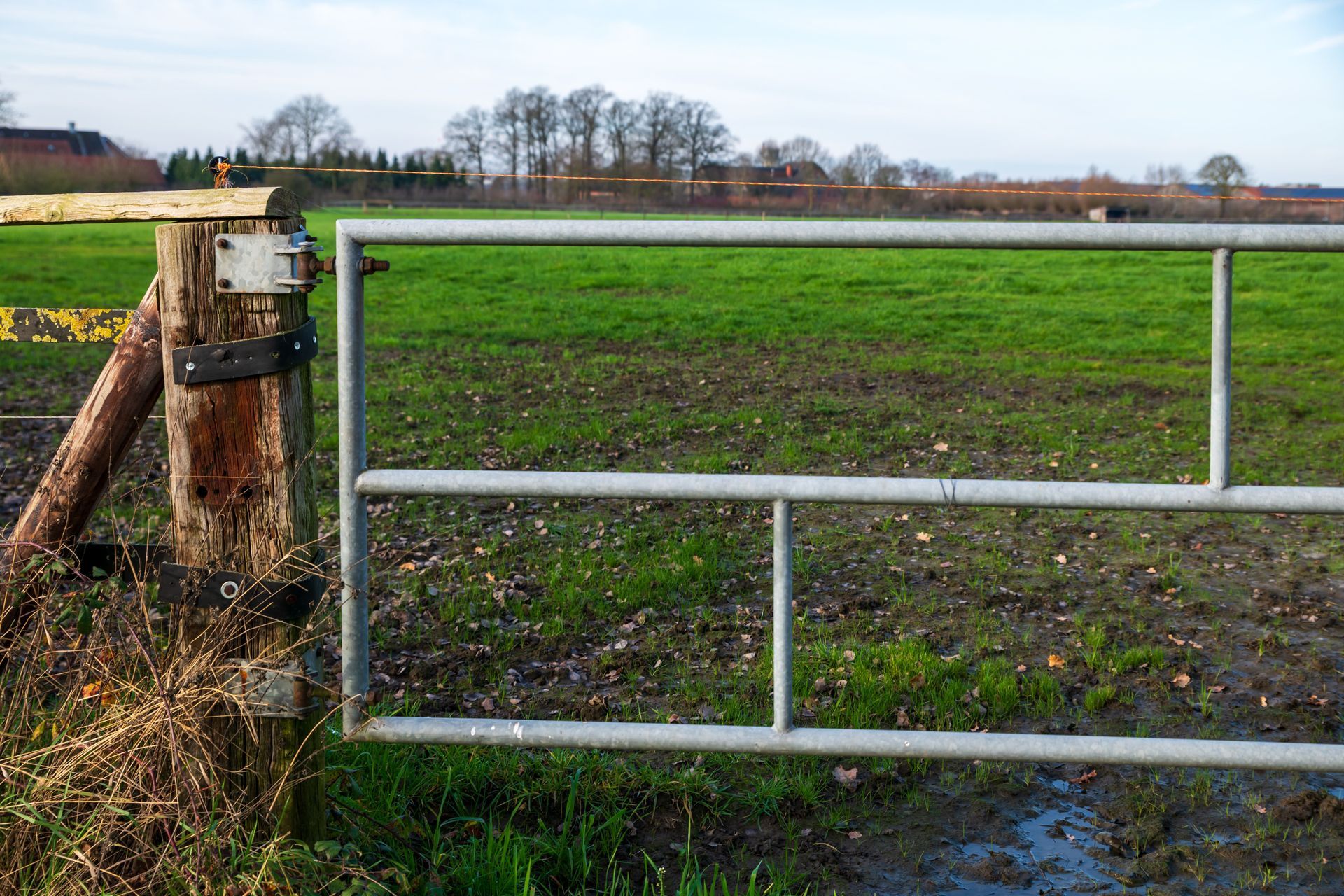
Cattle and livestock operations across Pontotoc, Coal, and Johnston County need pipe fence and corrals that handle working stock without flexing or separating under animal weight. X Solution's welds all pipe connections in the field rather than using sleeve fittings or bolt-together panels, which means the fence holds tight when a bull leans into it or a cow pushes against the corner post. Posts are set and concreted by X Solution's, or the customer can handle that portion depending on how the job is structured, and gates and entryways are included in the scope so you're not coordinating two separate contractors for perimeter fence and working access.
Pipe fence for agricultural use is not decorative boundary work—it's built to contain animals that weigh over a thousand pounds and will test every connection point during sorting, loading, or winter feeding. Welded joints eliminate the movement and noise that comes with bolted panels, and the fence stays square and tight over time instead of sagging or twisting at the rails.
Arrange a site visit to review your layout and determine post spacing, gate placement, and whether you're handling the concrete work or rolling it into the project scope.
Why Welded Pipe Holds Up Better
Welding each pipe connection in the field creates a continuous joint with no mechanical fasteners to loosen, rust out, or shift under load. The weld penetrates both pieces of steel, forming a bond that's as strong as the pipe itself. Bolt-together systems rely on clamps or brackets that can back off over time, especially in red dirt country where freeze-thaw cycles and moisture work fasteners loose.
Once the fence is up, you'll notice that the rails don't rattle when stock moves along the fence line, and corner posts don't lean after a season of use. Gates swing cleanly without dragging or binding because the frame stays square and the hinges are welded to solid structure. X Solution's has 10 years of fencing experience with agricultural corrals and pipe fence for active ranching operations, so the install reflects how livestock actually behaves rather than how a spec sheet says they should.
The build includes pipe fence, gates, and working corrals, but it does not include cattle squeeze chutes, headgates, or specialty sorting equipment—those are separate components you source and integrate into the system. If you're building a full working pen setup, the layout needs to account for equipment placement and animal flow before post setting starts.
Questions Property Owners Ask Before Fencing Work
Building agricultural fencing and corrals involves decisions about materials, post depth, and gate placement that affect how the system functions under real working conditions. Here's what comes up during project planning.
What's the difference between welded pipe fence and bolt-together livestock panels?
Welded pipe fence is a permanent installation where each rail is welded directly to the posts in the field, creating a rigid structure with no mechanical fasteners. Bolt-together panels use clamps or brackets that can loosen over time and allow the fence to flex or sag under animal pressure.
How deep do posts need to be set for pipe fence in Stonewall?
Posts are typically set at least three feet deep in rural Oklahoma, with corner and gate posts going deeper and requiring concrete for lateral support. Soil conditions and fence height affect the exact depth, and posts need to be plumb and braced before welding starts.
Can I handle the post setting myself and hire someone just to weld the rails?
Yes, X Solution's offers flexible scoping where you can set and concrete the posts yourself and the contractor handles the welding, or the full scope can be handled from post setting through final welding depending on your timeline and equipment access.
What size pipe is used for agricultural corrals and working pens?
Most working corrals use 2-inch or 2.5-inch heavy-wall pipe for rails and larger diameter pipe for corner posts. The gauge and wall thickness depend on the type of stock being handled—cattle operations need heavier pipe than sheep or goat fencing.
Do gates and entryways come as part of the fencing project or are those separate?
Gates and entryways are included in the scope for agricultural fencing projects with X Solution's, so you're not coordinating a separate contractor to build access points after the perimeter is up. Gate frames are welded to match the fence structure and hung with hinges that handle repeated use.
X Solution's builds pipe fence and corrals across south-central Oklahoma with welded connections that hold up under working stock pressure. Set up a project walkthrough to confirm your layout, post count, and whether you're including gate installation in the first phase.