Welding That Keeps Equipment Running
Welding Services in Stonewall for equipment repairs, trailer fixes, and structural work when parts aren't available locally
X Solution's runs both MIG and TIG welding processes across rural south-central Oklahoma, handling steel, aluminum, and specialty materials for agricultural equipment, trailers, and structural applications. When a part breaks on a feed wagon or gate and the nearest shop has a two-week backlog, mobile welding means the repair happens on your property without trailering anything. TIG capability allows for aluminum components and precision work that single-process shops can't handle, which matters when you're repairing irrigation parts or trailer components that need controlled heat input.
Ranch and farm operations in the Ada area and Cross Timbers country depend on welding for equipment longevity because replacement parts aren't always stocked locally and waiting on a shop turnaround can shut down working operations. MIG welding covers general steel repairs and structural work, while TIG welding addresses aluminum, thin-wall tubing, and situations where you can't afford to warp or burn through the material.
Request an on-site assessment to determine whether your repair needs field welding or if the work requires shop-level setup.
What Full-Process Welding Covers
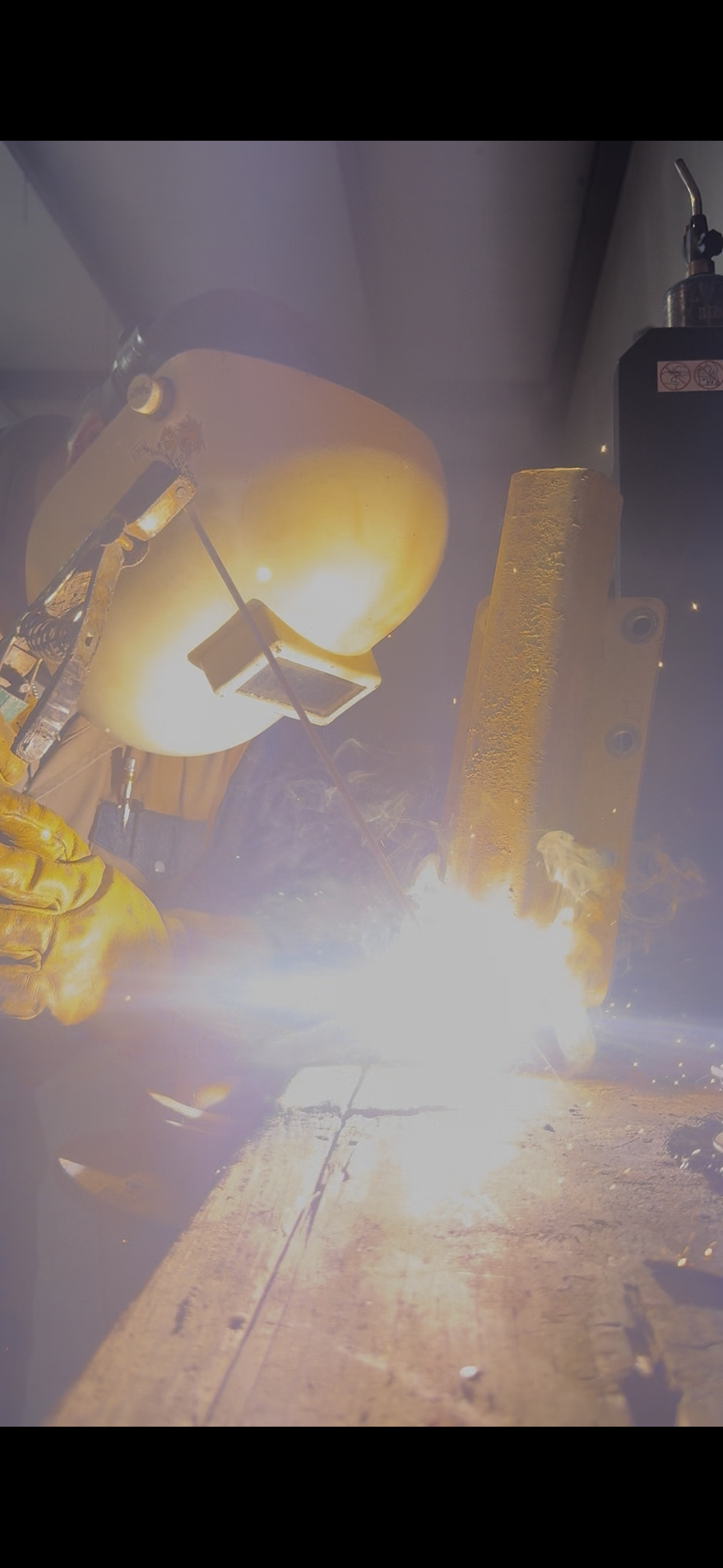
Mobile welding brings the equipment to the job site, which means you're not disconnecting a piece of machinery, loading it onto a trailer, dropping it off, and waiting for a callback. The work happens where the equipment sits, and you see what's being done as it's being done. For structural repairs, gate hinges, trailer tongues, or cracked frames, the welder sets up on your property and completes the repair without the equipment leaving your sight.
After the weld is finished, you'll see a solid bead with full penetration, no gaps, and no burn-through on thin material. X Solution's has 10 years of welding experience across steel, aluminum, agricultural equipment, trailers, and structural applications, so the repair is done once and holds under working load. Aluminum repairs look clean without oxidation staining, and steel welds are ground smooth if the application requires it.
The scope includes the weld itself and immediate prep work like grinding or cleaning the joint, but it does not include fabricating entirely new components from raw stock unless that's specified upfront. If you need a custom bracket or replacement part built from scratch, that's fabrication work and gets discussed separately from a standard repair weld.
What Operators Ask Before Welding Work
Equipment breaks at inconvenient times, and most operators want to know what the welder can actually fix in the field versus what needs a full shop setup. These are the questions that come up before scheduling mobile welding.
What's the difference between MIG and TIG welding for repairs?
MIG welding works for thicker steel and general structural repairs where you need speed and penetration, while TIG welding is used for aluminum, thin materials, and precision work where heat control prevents warping or burn-through.
How does mobile welding work if my equipment is in the middle of a field?
The welder brings a portable generator and welding machine to the site, sets up near the equipment, and completes the repair without moving the machinery. Ground conditions and access need to be stable enough for the truck and equipment to reach the work area.
Can aluminum trailer components be welded in Stonewall without sending them to a specialty shop?
Yes, TIG welding handles aluminum repairs on-site, including trailer frames, toolboxes, and irrigation components. The process requires shielding gas and a tungsten electrode, which is why not all welding operations can do aluminum work in the field.
What happens if a weld cracks again after the repair is finished?
A properly executed weld with full penetration and correct filler material should outlast the surrounding base metal. If a weld fails, it's usually because the underlying cause—like frame flex or repeated impact—wasn't addressed, not because the weld itself was insufficient.
How long does a typical equipment repair weld take on-site?
Most single-joint repairs take 30 minutes to an hour, depending on prep work and material thickness. Multi-point repairs or structural work that requires multiple passes will take longer, and the welder will walk through the scope before starting.
X Solution's operates across rural south-central Oklahoma with mobile capability that brings welding to the job site instead of making you trailer equipment to a shop. Schedule a repair evaluation to get a timeframe and confirm the work can be completed in the field.